
The Truth About Collagen: What It Is, Why Everyone Is Taking It, and How to Choose What Actually Works
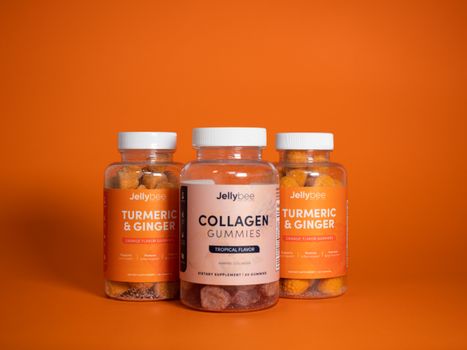
If you’ve spent any time looking into wellness, longevity, or skincare lately, you have undoubtedly run into collagen. It is everywhere, in morning coffees, protein powders, capsules, and anti-ageing creams.
But as the wellness industry expands, so does the noise.
Is collagen truly a foundational pillar for women’s functional fitness, joint integrity, and vibrant skin, or is it just an expensive trend?
Let’s strip away the marketing hype and look directly at the biology, the science, and the practical steps to picking a source that actually works for your body.
What Exactly Is Collagen?
Think of collagen as the biological “glue” holding your body together. It is the most abundant structural protein in the human body, making up roughly 30% of your total protein composition.
Collagen acts as the scaffolding for your:
Deep skin layers (the dermis)
Tendons and ligaments
Joint cartilage
Bones and blood vessels
Your body synthesises its own collagen by combining amino acids from the protein you eat, utilising Vitamin C as an essential co-factor. However, as we age, our natural production slows down. Starting in our mid-to-late 20s, collagen production declines by roughly 1% every year. For women, this decline accelerates sharply during perimenopause and menopause, leading to visible changes in skin elasticity, structural shifts in posture, and joint stiffness.
Why Is Everyone Taking It? (What the Science Says)
People aren’t just taking collagen for vanity; they are taking it to protect their mobility, tissue integrity, and structural health. Here is what clinical research actually supports:
Table of Contents
Toggle1. Joint Health and Connective Tissue Resilience
For women focused on functional fitness, heavy lifting, or maintaining optimal posture and joint mechanics, connective tissue health is everything. Clinical studies demonstrate that targeted collagen supplementation significantly reduces joint pain and accelerates the recovery of damaged cartilage.
🔬 The Science: A landmark 24-week study published in Current Medical Research and Opinion tracked athletes utilizing collagen hydrolysate and found a significant reduction in joint pain both at rest and during functional movement.
2. Skin Elasticity and Hydration
Collagen is what keeps skin firm, plump, and resilient against sagging. Because ingested collagen breaks down into systemic signalling peptides, it triggers your body’s own fibroblasts to produce more structural matrix.
🔬 The Science: A comprehensive meta-analysis in the International Journal of Dermatology reviewed randomized, controlled trials and confirmed that oral collagen supplementation significantly improves skin elasticity, hydration, and reduces the appearance of wrinkles over a 90-day period.
3. Bone Density Support
Bones are not just made of calcium; they are built on a framework of collagen fibres. As estrogen levels shift over time, preserving bone mineral density becomes a top priority for women.
🔬 The Science: Research in Nutrients demonstrated that postmenopausal women taking specific collagen peptides experienced a distinct increase in bone mineral density and a decrease in bone degradation markers.
How to Pick a Good One
Walk down the supplement aisle, and you will find a dizzying array of options. To ensure you aren’t throwing your money away on unabsorbable formulations, use this checklist:
Look for “Hydrolysed” Peptides
Whole collagen molecules are massive and incredibly difficult for your digestive system to break down and absorb. Look for hydrolysed collagen (also called collagen peptides). This means the protein chains have already been broken down into tiny, highly bioavailable combinations of amino acids that can easily pass into your bloodstream.
Know Your Types
There are over 28 types of collagen, but these three matter most for your daily routine:
Type I: The absolute best for skin elasticity, hair, nails, and bone matrix. (Primarily found in Marine and Bovine sources).
Type II: Specifically targets joint cartilage and cushion integrity. (Primarily found in Chicken sources).
Type III: Supports the structure of muscles, organs, and large arteries. (Often paired with Type I in Bovine sources).
Check the Sourcing
Because collagen is an animal byproduct, quality matters deeply. Look for clean labels specifying:
Bovine: 100% Grass-Fed and Pasture-Raised.
Marine: Wild-Caught (marine collagen is predominantly Type I and has smaller particle sizes for highly efficient absorption).
Avoid unnecessary fillers
Skip the massive ingredient lists filled with artificial sweeteners, gums, and synthetic flavourings. Stick to unflavored, single-ingredient powders that dissolve completely into your daily meals.
How to Take It for Maximum Results
The Optimal Daily Dose: Aim for 10 to 15 grams of hydrolysed collagen peptides daily to hit the therapeutic thresholds established in clinical trials.
The Essential Sidekick: Always ensure your daily nutrition includes adequate Vitamin C (whether through citrus fruits, bell peppers, or a clean supplement). Your body cannot physically cross-link amino acids to build structural collagen fibres without it.
Consistency Over Timing: It doesn’t matter if you take it in your morning coffee, mix it into an afternoon smoothie, or stir it into an evening tea. What matters is daily consistency. Connective tissues and skin matrices turn over slowly; expect to track your progress consistently for 8 to 12 weeks to see and feel the structural shifts.
📚 Peer-Reviewed Scientific Resources for Deep Reading:
For Joint Wellness: 24-Week Study on Collagen Hydrolysate in Athletes
For Skin Health: Meta-Analysis on Dermatological Benefits of Oral Collagen
For Bone Integrity: Long-Term Specific Collagen Peptides and Bone Mineral Density