
When we think about fitness for women, the conversation often shifts straight to core strength, glutes, or generic cardio. But there is an incredibly powerful, functional, and deeply empowering muscle group that deserves a permanent spot in your routine: your shoulders.
As a personal trainer, I see women bypass shoulder training all the time out of fear of looking “bulky” (spoiler alert: you won’t!). In reality, building strong shoulders is one of the greatest gifts you can give your body. It is the ultimate foundation for functional daily life (my fave thing to say to clients!), whether you are navigating the chaotic physical demands of early motherhood or future-proofing your body through midlife.
Let’s talk about why your shoulders are your secret weapon, and why training them changes the game for your posture, your strength, and your confidence.
The Postpartum Phase: Building the Child Lifting Strength

If you are a new mom or chasing a toddler, you are essentially an endurance athlete. Your daily routine consists of deadlifting a moving human off the floor, holding an asymmetrical weight on one hip for hours, and lifting heavy diaper bags while opening doors.
Postpartum posture often takes a massive hit. Months of pregnancy weight distribution, combined with hours of hunching forward to feed, cradle, and rock a baby, lead to a rounded upper back and rolled-forward shoulders.
Why Shoulder Training is Vital Postpartum:
Injury Prevention: Lifting a growing child repeatedly without stabilising shoulder strength forces your neck and lower back to take the strain. Building the deltoids (shoulder muscles) creates an upper-body armour that absorbs that load.
The “Car Seat” Lever: Ever tried to lift a heavy infant car seat out of the car at a weird angle? That requires serious shoulder stability and rotator cuff strength.
Reversing the “Mom Hunch”: Strengthening the back of your shoulders pulling your shoulder blades together, acts as a natural corrective brace, opening up your chest and relieving upper back tension.
The Perimenopause Phase: Fighting Muscle Loss & Protecting Bones
As we enter perimenopause and menopause, our estrogen levels naturally begin to decline. Estrogen is heavily tied to how our bodies maintain muscle mass and bone density. Without resistance training, women can experience a natural decline in muscle tissue and a drop in bone mineral density.
This is exactly where lifting weights becomes non-negotiable.
Why Shoulder Training is Vital in Midlife:
Combatting Age-Related Muscle Loss: Working your shoulders triggers muscle protein synthesis, helping you retain lean, metabolically active muscle that keeps your metabolism firing and your joints supported.
Bone Density Booster: The muscles of the shoulder complex pull directly on the bones of the upper arm (humerus), shoulder blade (scapula), and collarbone (clavicle) during exercise. This mechanical stress signals your body to deposit more minerals into those bones, protecting you against osteoporosis.
Instantly Improving Posture: Gravity and a lifetime of sitting at desks can pull us into a forward slump. Strong shoulders pull you upright, creating a tall, confident alignment that radiates vitality and takes pressure off your spine.
3 Essential Shoulder Moves Every Woman Should Do
You don’t need hours in the gym to build resilient shoulders. Incorporate these three basic movements into your weekly routine using a pair of light-to-medium dumbbells or a resistance band:
1. The Dumbbell Overhead Press (For Total Upper Body Power)

Why it works: This is the ultimate functional movement. It directly mimics putting a heavy suitcase in an overhead bin or lifting a toddler up to give them a high-five.
How to do it: Sit (or kneel for more core) or stand tall with your core engaged. Hold dumbbells at shoulder height, palms facing each other or forward. Press the weights straight up overhead until your arms are fully extended, then slowly lower them back to the starting position.
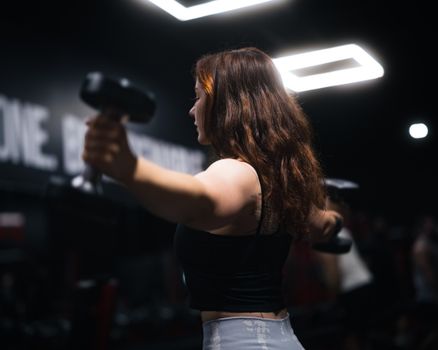
2. Dumbbell Lateral Raises (For Posture & Definition)

Why it works: This targets the side of the shoulder building incredible lateral stability.
How to do it: Stand with your feet hip-width apart, a light dumbbell in each hand by your sides. With a very slight bend in your elbows, raise your arms out to the sides until they form a “T” shape with your body. Lower down with control.
3. Face Pulls or Banded Reductions (For the “Anti-Hunch” Alignment)
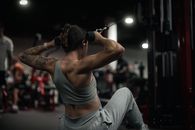
Why it works: This targets the rear deltoids and upper back muscles, fighting directly against the forward slump of texting, driving, and holding babies.
How to do it: Secure a resistance band at chest height in front of you. Grab the band with both hands, pull it directly toward your face while flaring your elbows out to the sides, and squeeze your shoulder blades tightly at the back. Return slowly.
Gemma’s Takeaway
Training your shoulders isn’t about aesthetic vanity, it’s about capability. It’s about being able to lift your kids without a second thought, maintaining a proud and tall posture as you age, and showing up in the world with physical presence.
Pick up those weights this week. Your posture, your joints, and your future self will thank you for it!
Are you ready to add some shoulder work to your routine? Let me know in the comments below if you’re a postpartum mama or navigating midlife strength!