
Beyond the Caffeine Buzz: Why Your Morning Coffee is Actually a Superfood for Your Gut
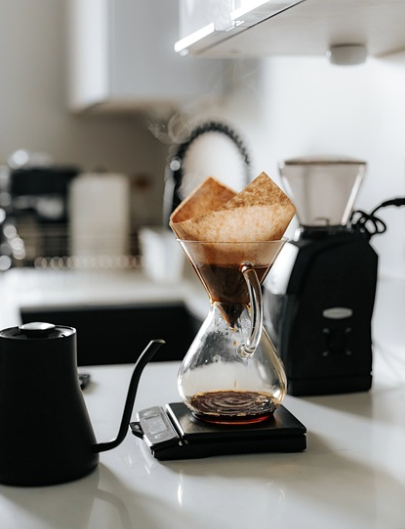
We’ve all been there: it’s 7:00 AM, you’re trying to coordinate the morning rush, get yourself ready, and your brain refuses to cooperate until you’ve had that first, glorious sip of coffee. For most of us, coffee is a survival tool. We drink it for the immediate, tangible effects we can feel and the mental clarity to tackle the day.
But if you think your morning cup is just a socially acceptable way to deliver caffeine to your bloodstream, science has some incredible news for you.
A fascinating study published in The Journal of Prevention of Alzheimer’s Disease (2026) reveals that coffee is an incredibly complex, plant-based superfood. More importantly, many of its benefits on your mood, stress levels, inflammation, and brain power don’t come from caffeine at all. Instead, they happen because coffee actively reshapes your gut microbiome.
Let’s dive into what happens when you press pause on your coffee habit, why decaf deserves a lot more respect, and how to optimise your daily brew.
Table of Contents
ToggleThe Experiment: Two Weeks Without Coffee ☕
To understand how coffee affects our biology, researchers took a group of regular, moderate coffee drinkers (people enjoying 3 to 5 cups a day) and did the unthinkable: they made them stop drinking coffee entirely for two weeks.
After this “washout” period, the participants were split up. One group reintroduced standard caffeinated coffee for three weeks, while the other group reintroduced decaf.
By tracking their cognitive scores, stress hormones, immune systems, and stool samples throughout the process, the researchers discovered that coffee has two completely distinct “biological personalities.”
1. The Caffeine Personality
Unsurprisingly, the participants who brought back caffeine saw immediate improvements in sharp attention, rapid reaction times, and vigilance. It provided that classic, acute mental drive we all know and love.
2. The “Coffee Matrix” Personality
This is where things get exciting. The group that drank decaf experienced a completely separate wave of benefits. They showed improvements in episodic memory, better sleep quality, higher physical activity levels, and lower emotional reactivity.
How is that possible without caffeine? It turns out coffee is packed with soluble fibres, specialised antioxidants (like chlorogenic acids), and polyphenols. This “coffee matrix” acts exactly like a prebiotic—it feeds highly specific, beneficial strains of bacteria in your gut. These microbes digest the coffee compounds and create powerful metabolites that travel directly along the gut-brain axis to calm your nervous system and boost your mood.
The Hidden Health Benefits: Lower Inflammation
The study also looked at how coffee alters our immune systems. When comparing the coffee phases to the two-week abstinence phase, the data showed that drinking coffee drastically lowered the body’s inflammatory burden.
Specifically, regular coffee consumption was associated with:
Lower C-Reactive Protein (CRP): A primary medical marker for systemic, hidden inflammation.
Higher IL-10: A wonderful, anti-inflammatory signalling molecule that helps soothe the body.
When the participants quit coffee for two weeks, their inflammatory markers automatically started to climb. Drinking coffee—whether it was caffeinated or decaf—successfully brought those inflammatory responses back down.
5 Rules to Make Your Coffee Work for You
Coffee can be an incredible asset for your longevity, gut health, and daily energy, but only if you consume it intentionally. Here is how to optimise your daily ritual:
1. Front-Load Your Caffeine to the Morning
Keep your main caffeinated coffee intake before noon. Even if you feel like you can fall asleep with caffeine in your system, it quietly reduces the depth and recovery quality of your sleep, erasing the brain benefits you drank it for in the first place. If you want the cosy ritual of a warm cup in the afternoon, switch to decaf to feed your gut without ruining your night.
2. Make Paper-Filtered Coffee Your Default
Coffee beans contain natural, oily compounds called diterpenes (like cafestol), which can drive up LDL (“bad”) cholesterol. Utilising paper-filtered methods, like standard drip coffee, a pour-over, or an AeroPress with a paper filter, safely traps these oils while letting all the gut-friendly antioxidants pass straight into your mug.
3. Keep the Additives Minimal
To get the cleanest, most rapid hit of antioxidants, black or mostly black coffee is king. Heavy dairy proteins (like casein in milk or cream) can actually bind to coffee’s antioxidants, slowing down how quickly your body can absorb them.
4. Don’t Stress Over “Mould Traps”
Don’t fall for internet scare tactics claiming standard coffee is full of toxic mould. Rigorous testing shows commercial and speciality coffee is incredibly safe, and the roasting process destroys surface contaminants. Buy high-quality beans from reputable roasters, store them in an airtight container, and enjoy them without anxiety.
5. Embrace the Whole Matrix
Remember that coffee is a complex plant beverage. If you are trying to cut back on caffeine due to anxiety, pregnancy, or hormone balance, you don’t have to lose out on the gut-healing benefits. High-quality decaf still feeds your microbiome and protects your brain!
📱 Daily Resources for Smarter Choices
Real health isn’t about restrictive rules; it’s about understanding how everyday habits—like your morning brew—can be optimized to make you feel vibrant.
To help you cut through the confusing internet noise, I’m currently building a custom mobile app! Launching very soon, it will feature direct, actionable nutrition guides, habit trackers, and science-backed fitness strategies designed specifically to help women make empowered choices every single day. Stay tuned for the launch!
📚 Scientific References
Liao, et al. (2026). The shared effect of coffee consumption on microbial species and metabolites to influence cognition and behavior. The Journal of Prevention of Alzheimer’s Disease.
FoundMyFitness Solo Episode: “How To Use Coffee To Live Longer.”