

In recent months, I’ve been having the same conversation with so many women, both in my training sessions and everyday life:
“Why is it suddenly so much harder to lose weight, especially around my stomach?”
This frustration is real. Many women notice that even with the same workouts and eating habits they had in their 30s, weight creeps up, especially around the midsection. If you’re wondering why, the answer lies in the science of perimenopause weight gain and menopause body changes.
The Science of Perimenopause, Menopause & Body Fat Storage

During perimenopause and menopause, levels of estrogen and progesterone naturally decline. This hormonal shift changes your metabolism and how your body stores fat.
Here’s what’s happening:
Lower estrogen encourages your body to store more visceral fat — the type of fat around your abdominal organs that’s linked to higher health risks.
Muscle mass naturally decreases with age (sarcopenia), slowing your resting metabolism.
Insulin sensitivity declines, making it easier to store fat after eating carbohydrates.
Stress hormone cortisol can stay elevated due to sleep disturbances, further encouraging belly fat storage.
This is why so many women find it harder to lose weight after 40, even when diet and exercise habits haven’t changed.
Common Menopause Weight Loss Tips From the Web — Rated By Me

The internet is overflowing with menopause fitness and nutrition advice. Here’s what I found most often, plus my personal rating out of 10:
| Tip | Why It’s Suggested | My Rating |
|---|---|---|
| Cutting carbs | Reduces insulin spikes, may lower belly fat | 6/10 — works for some, but extreme cuts aren’t sustainable |
| Intermittent fasting | Helps regulate blood sugar, may reduce calorie intake and give you more energy | 7/10 — can work if done safely and without under-fueling |
| Strength training | Preserves muscle, boosts metabolism | 10/10 — essential for body composition & long-term health |
| Yoga & stress management | Lowers cortisol and supports better sleep | 8/10 — great for indirect fat loss benefits |
| Supplements | May address nutrient gaps | 5/10 — helpful only if you have a deficiency |
Science Behind the Tips
1. Cutting Carbs
A large study looked at 49–81-year-old postmenopausal women to see which diet best prevented weight gain over time. Four popular eating patterns were compared:
Low-fat diet
Reduced-carbohydrate diet
Mediterranean-style diet
US Dietary Guidelines (DGA)
The results were clear:
Women who followed a reduced-carbohydrate diet had a lower risk of gaining 10% or more of their body weight across all starting body sizes.
Women on a low-fat diet actually had a higher risk of weight gain, regardless of whether they started at a normal weight, overweight, or obese.
The Mediterranean and DGA diets fell somewhere in between.
Takeaway: For many postmenopausal women, cutting carbs (rather than fat) appears to be linked with better weight maintenance, even years after menopause.
2. Intermittent Fasting
A recent 8-week study looked at time-restricted feeding (TRF)—where eating is limited to a 4–6 hour window and fasting lasts 18–20 hours daily—in women with obesity. Researchers wanted to know if menopausal status made a difference in results.
The findings?
Weight loss was the same in both premenopausal and postmenopausal women: about 3.3% body weight reduction.
Fat mass, lean mass, fasting insulin, insulin resistance, and oxidative stress all improved equally in both groups.
Adherence was excellent—participants followed the eating window over 6 days per week.
Some markers, like visceral fat, cholesterol, blood sugar, and inflammation, did not significantly change in the short 8-week period.
Takeaway: Menopause does not make intermittent fasting less effective for weight loss or certain metabolic improvements. Women before and after menopause can expect similar benefits from TRF—especially for reducing fat mass and improving insulin health.
3. Strength training
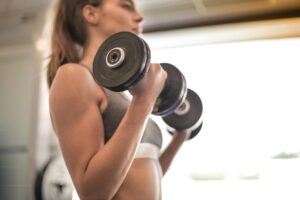
A year-long study tracked 233 postmenopausal women (ages 40–66) to see how resistance training—with or without hormone replacement therapy (HRT)—affects body composition and strength.
Key Findings:
Muscle Gains for All Exercisers: Women who strength trained 3× per week for 60–75 minutes gained lean soft tissue (LST), regardless of HRT use. Non-exercisers lost muscle unless they were on HRT (which helped maintain it).
Fat Loss Linked to HRT + Training: The only significant fat loss happened in women who combined resistance training with HRT.
Strength Soared: All exercisers improved in muscle strength at every measured site.
Effort Matters: The total weight lifted and training attendance predicted how much muscle and strength women gained—more volume = better results.
HRT Alone Isn’t Enough: Hormone therapy didn’t independently boost muscle or reduce fat, but did help protect against muscle loss in non-exercisers.
Takeaway: If you’re postmenopausal, strength training is one of the most powerful tools to keep (and even grow) muscle, improve strength, and, when combined with HRT, reduce fat. The more consistent and committed you are in your training, the greater the benefits.
4. Yoga and Stress Management
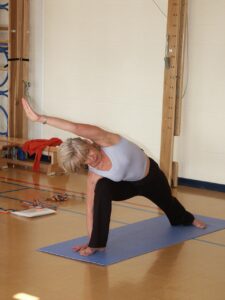
A 12-week randomised trial involving 88 postmenopausal women compared yoga, general exercise, and no intervention to see how they affected menopausal symptoms, stress, and well-being.
Key findings:
Lower menopausal symptoms: Women in the yoga group had significantly fewer hot flashes, mood swings, and sleep disturbances compared to both the exercise and control groups.
Stress & mood benefits: Yoga participants reported lower stress, reduced depression symptoms, and better quality of life scores.
Hormonal shifts: The control group’s cortisol (stress hormone) rose, while yoga participants maintained stable levels. Both yoga and exercise groups showed lower FSH and LH levels, which may relate to improved hormonal balance.
Beyond exercise: Yoga outperformed general exercise in improving emotional well-being and menopausal symptom relief.
Takeaway: Regular yoga practice doesn’t just stretch your body; it helps balance stress hormones, lift mood, and ease menopause symptoms, making it a powerful complementary therapy for midlife women.
5. Supplements
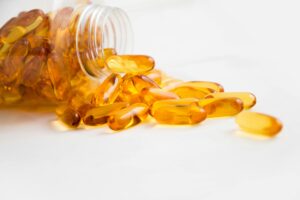
A review of 3 randomised controlled trials (483 women, ages 51–55) tested whether omega-3 supplements could ease vasomotor symptoms—hot flushes, night sweats, and related sleep issues in menopausal women.
Key findings:
Night sweats: Women taking omega-3 had fewer and less severe night sweats compared to placebo.
Hot flushes: No significant change in frequency or severity.
Sleep & quality of life: No meaningful improvements in insomnia, sleep quality, or overall quality of life.
Safety: No notable difference in side effects between omega-3 and placebo.
Takeaway: Omega-3s may help reduce night sweats, but there’s no strong evidence they improve hot flushes, sleep, or life quality. More high-quality, long-term studies are needed.
My Top 3 Realistic Tips for Menopause & Perimenopause Weight Loss
From coaching women in this stage of life, here’s what consistently works:
Strength Train 2–3x a Week
Weight training builds and preserves lean muscle, which is the single biggest driver of your metabolism as you age.Prioritise Protein in Every Meal
Protein supports muscle, keeps you full, and helps prevent muscle loss during weight loss. Aim for lean protein sources like chicken, eggs, beans, tofu, or fish.Protect Your Sleep & Manage Stress
Sleep and stress affect hormones that regulate appetite and fat storage. Small changes, like a wind-down routine or mindfulness practice, can have a huge impact.
Training with me means we’ll tailor your program to your hormonal stage, fitness level, and goals, so you’re not fighting your body, you’re working with it.
Let’s Keep the Conversation Going

Perimenopause and menopause aren’t the end of feeling confident in your body; they’re just a new chapter. By understanding the science and applying strategies that actually work, you can stay strong, healthy, and empowered.
💬 Have you noticed changes in your body since hitting your 40s or 50s? Let’s talk about it in the comments or send me a message to start your personalised training plan.