
Diet starts on Monday right? We have all been there. Putting off a whole new way of eating and being. But what if I tell you it doesn’t have to be this way?
I always tell my clients to change one thing a week. So, for women suffering from perimenopause symptoms, adding or changing a few things in your diet can help alleviate symptoms.
Here are 10 foods you can try, and the scientific reasons you should!
1. Dairy (Milk, Yoghurt, Cheese)
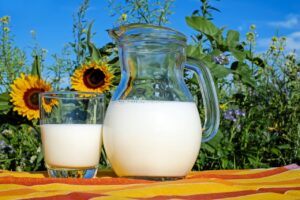
What it is: Calcium-rich dairy foods.
Use it: Add Greek yoghurt to smoothies or enjoy a cheese and veggie snack.
Science: High in protein, calcium, magnesium, vitamin D/K—key for bone density, which declines during menopause. In a 2017 study of nearly 750 women in menopause, women who ate more dairy and animal protein had significantly higher bone density than those who ate less.
Dairy may also help improve sleep, with a 2023 review noting that the amino acid tryptophan, which is found in dairy products, helps people fall asleep and stay asleep.
2. Soy (Tofu, Tempeh, Edamame)
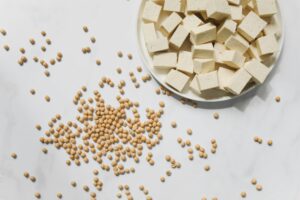
What it is: Whole soy foods contain isoflavones (phytoestrogens).
Use it: Stir-fry tofu or snack on steamed edamame (½ cup).
Science: A soy-based plant diet reduces hot flashes. A 12-week study found that menopausal women who followed a low-fat, plant-based diet including daily soybeans saw an 84% reduction in moderate-to-severe hot flashes, with 59% becoming completely free of them.
3. Flaxseed
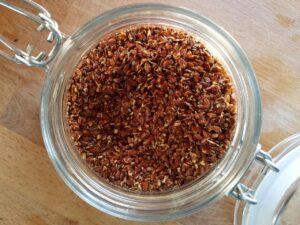
What it is: Rich in lignan phytoestrogens and fibre.
Use it: Add 2 Tbsp of ground to oats, salads, or smoothies.
Science: Helps hot flash frequency. A pilot study of women taking 40g of crushed flaxseed daily for 6 weeks experienced a 57% reduction in hot flash severity and a 50% drop in frequency, suggesting flaxseed may significantly ease symptoms for those avoiding estrogen therapy, though some mild digestive side effects were reported.
4. Fatty Fish (Salmon, Mackerel, Sardines)
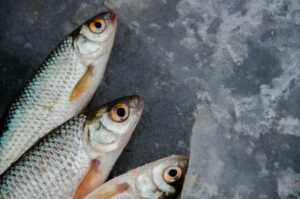
What it is: High in omega‑3 fatty acids.
Use it: Grill salmon once or twice a week and add to salads or pair with broccoli and sweet potato.
Science: Omega‑3s support bone, brain, and heart health and may reduce menopausal symptoms. A review suggested that increasing omega-3 fatty acids EPA and DHA, especially during menopause, may help improve brain function, mood, and cognitive health, making the menopausal transition a key window for intervention, though more research is needed to confirm optimal timing and dosage.
5. Nuts & Seeds (Almonds, Walnuts, Chia)
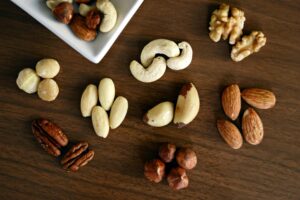
What it is: Packed with healthy fats, fibre, and phytoestrogens.
Use it: Snack on nuts or add with chia seeds to yoghurt (makes a lovely pudding! Soak overnight for a delicious breakfast).
Science: Promote gut health, stable blood sugar, and reduce symptom severity. In a 7-week study, postmenopausal women who consumed 25g of milled chia seeds daily saw significant increases in blood levels of ALA and EPA (beneficial omega-3 fats). This suggests chia seeds may boost some omega-3 levels, though not all.
6. Beans & Legumes
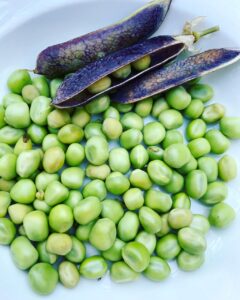
What it is: High in protein, fibre, and phytoestrogens (isoflavones).
Use it: Bean salads or lentil soups.
Science: Linked to gut health and lowered estrogen-related symptoms, and a study found adding legumes delays menopause onset by ~3 years.
7. Whole Grains (Oats, Quinoa, Brown Rice)
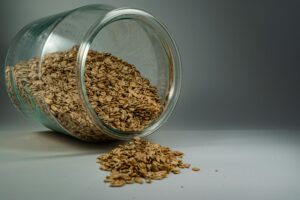
What it is: Fibre-rich complex carbs and quinoa is also a great source of protein (especially for vegetarians and vegans).
Use it: Try overnight oats or quinoa bowls.
Science: Aid gut microbiome, reduce inflammation, which may delay menopause. A study showed the gut microbiome plays a role in estrogen metabolism through a process called enterohepatic recycling. While not definitively proven, a healthy gut microbiome, potentially supported by a whole grain-rich diet, may influence estrogen levels and potentially delay menopause by a small amount.
8. Fruit & Vegetables (Berries, Leafy Greens)
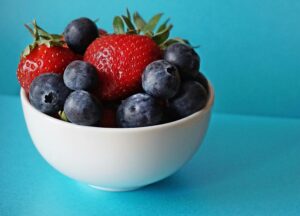
What it is: Berries: strawberries, blueberries, raspberries and cranberries. Green leafy vegetables: spinach, kale, collard greens, lettuce (such as romaine), and watercress.
Use it: Include berries in breakfast and leafy greens with salads and stews.
Science: Recent research suggests that incorporating 30 different plants per week into one’s diet can significantly reduce menopausal symptoms by ~30% and the antioxidants protect the heart and brain.
9. Fortified Foods

What it is: Sources of vitamins C, D, K, and calcium.
Use it: Smoothies with spinach or fortified plant milk.
Science: Support bone, muscle, and heart health during menopause. A review found that food fortification can help reduce the risk of bone fragility by filling nutrient gaps, especially in menopausal women and older adults, where supplement use is inconsistent.
10. Probiotic Foods (Yoghurt, Kefir)
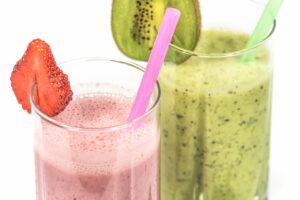
What it is: Fermented foods with live cultures.
Use it: Enjoy yoghurt as a snack or add kefir to smoothies.
Science: Promotes gut-brain axis, may alleviate mood and sleep issues in menopause. A new study shows that menopause-related hormone changes, particularly declining estrogen, affect gut microbiota, potentially influencing symptoms like weight gain, bone loss, and cognitive decline. Modulating the gut through probiotics and prebiotics may help manage these effects, though more research is needed to understand the mechanisms.
Let’s Get Cooking!
So now we know what foods can help us, let’s get cooking and try new tasty recipes. Get in touch and share any meals or snacks that you love and work for you.