
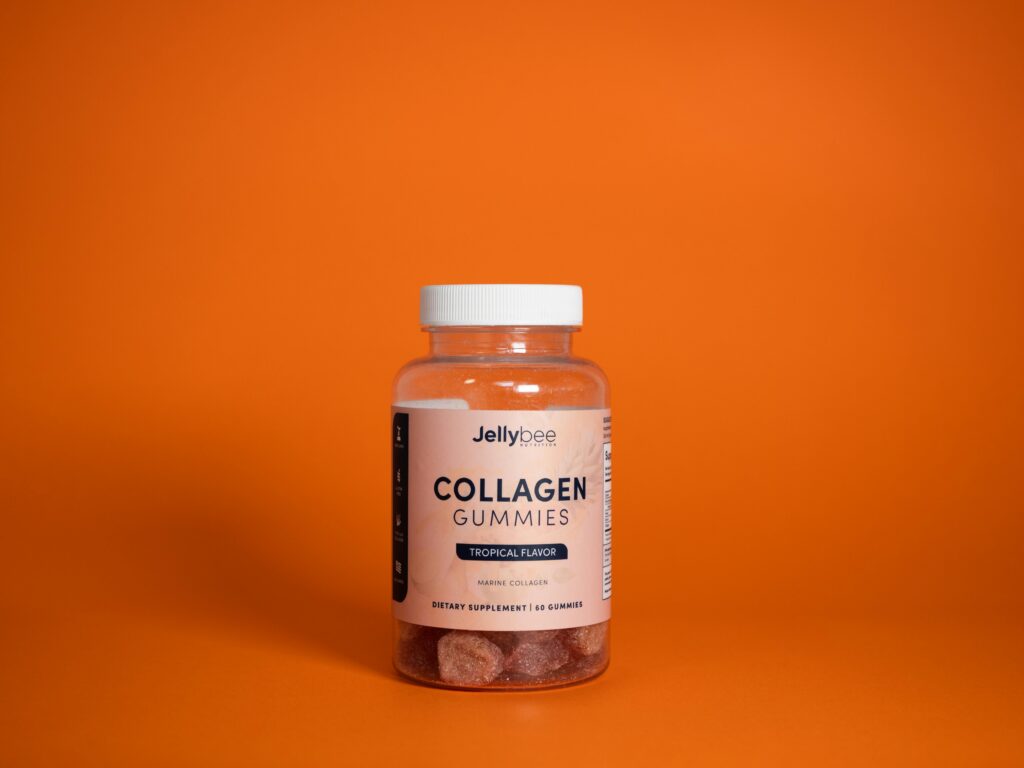
A month ago, my husband came home from the gym with a new supplement for us to try…Collagen. What is this even for, I thought? So I decided to research and share with you!
As we navigate the transition into perimenopause and menopause, we often talk about hot flashes and mood swings. But there is a quieter shift happening beneath the surface: the rapid decline of collagen.
By the time we hit the first five years of menopause, we can lose up to 30% of our dermal collagen. If you’ve noticed your skin losing elasticity, your joints feeling “creaky,” or your recovery time after a workout slowing down, collagen (or the lack of it) is likely the culprit.
What Exactly is Collagen?
Think of collagen as the “glue” that holds your body together. It is the most abundant protein in our bodies, found in our muscles, skin, blood, bones, cartilage, and ligaments.
As estrogen levels decline during perimenopause, our body’s natural ability to produce collagen drops significantly. This is why supporting our bodies from the inside out becomes non-negotiable.
Why It’s Essential for the Menopause Years
1. Bone Density & Joint Health Estrogen protects our bones. When it leaves the building, our risk of osteoporosis goes up. Collagen makes up about 90% of our bone matrix. Supplementing helps maintain bone strength and keeps joints lubricated, making those morning workouts feel much smoother.
2. Preserving Lean Muscle During menopause, we are prone to sarcopenia (muscle loss). Collagen contains specific amino acids like glycine and proline that help repair muscle tissue after exercise, helping you stay toned and strong.
3. Skin, Hair, and Nails The “menopause skin” struggle is real! Dryness and thinning are common. Collagen helps pull moisture back into the skin and strengthens hair follicles that may be thinning due to hormonal shifts.
Understanding the Types: Which One Do You Need?
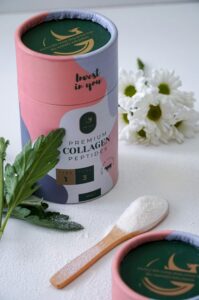
Not all collagen is created equal. When looking at labels, keep an eye out for these three:
Type I: The most abundant in the human body. Best for skin elasticity, hair, and bone strength. (Usually found in Marine or Bovine collagen).
Type II: The hero for joint health and cartilage. If your knees are aching, you want Type II. (Often sourced from chicken).
Type III: Works alongside Type I to support muscles and blood vessels.
Pro-Tip: Look for “Hydrolysed” collagen (also called collagen peptides). This means the protein has been broken down into tiny pieces that are much easier for your body to actually absorb.
How to Take It for Maximum Results
To see a real difference in your skin and joints, consistency is key. Here is how to optimize your intake:
The Dosage: Aim for 10g to 20g per day.
The Vitamin C Connection: Your body cannot synthesize collagen without Vitamin C. Make sure your supplement includes it, or take it alongside a glass of lemon water or a kiwi.
Mix it In: Most high-quality collagen powders are tasteless. Stir it into your morning coffee, post-workout smoothie, or even your porridge.
Give it Time: You won’t wake up with new skin tomorrow. It typically takes 8–12 weeks of daily use to see and feel the structural benefits in your joints and skin.
The Takeaway
Exercise and nutrition are the foundation of a healthy menopause transition, but collagen is the support system that makes that foundation stronger. Whether you want to protect your bones for the long haul or just want that “lit-from-within” glow back, collagen is a worthy addition to your daily ritual.