
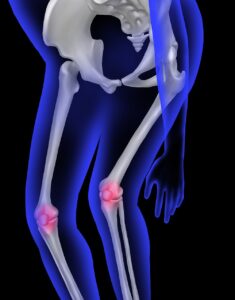
In January 2024, I had knee arthroscopy surgery to repair damage in my knee. I had been feeling a sharp pain when lunging and then when walking down stairs (especially in heels, which I love wearing!) and it started affecting my everyday life. I went for an MRI scan and was diagnosed with floating cartilage and cartilage damage behind my patella (knee-cap).
It was a quick 40-minute operation, and I was in and out of the hospital within the morning.
As a sports massage therapist and injury specialist, I decided to take charge of my own recovery. Through a structured knee rehab plan, I went from surgery to running a half-marathon by the end of March!
In this blog, I’ll share my step-by-step approach to knee rehabilitation after surgery, the exercises I used, and tips for regaining strength safely.
I have a full video tutorial at the end of the blog.
What Is Knee Arthroscopy?
Knee arthroscopy is a minimally invasive procedure used to diagnose and treat joint problems such as cartilage damage, ligament injuries, and arthritis. It involves making small cuts in the skin and using a tiny camera to guide the repair. While it’s less invasive than open surgery, rehabilitation after knee arthroscopy is essential for regaining movement, strength, and stability.
Early Movement: Day 1–3
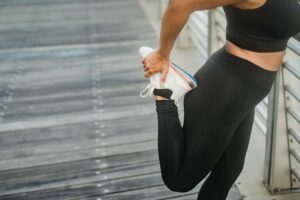
Rehabilitation starts the minute you come out of surgery. The key is to not let the joint stiffen up and you loose range of motion.
The first few days after surgery are about gently waking the muscles up.
Day 1: Begin flexing the muscles and try lifting your leg off the bed for a few seconds. Bend your knee as far as possible, using your hands to support movement. Aim for 20 reps every few hours.
Day 2: Continue bending and begin walking with crutches as much as possible.
Day 3: Add standing movements—straightening and bending your leg 2–4 times a day, 20 reps each.
These simple exercises kickstart knee rehab by preventing stiffness and helping your muscles re-engage.
Resistance Training: Day 4–5
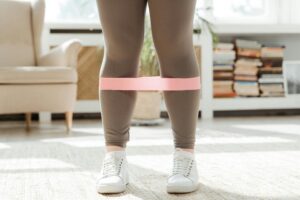
Once you’re comfortable moving, it’s time to add gentle resistance. Using resistance bands over furniture, or your other leg, try:
Flexion (bending foot up towards you bum)
Extension (bendiong knee up towards your stomach)
Abduction & adduction (leg out to the side and then across your body)
Do 2–3 sets of 20 reps, twice a day. Around this stage, you should also begin walking without crutches—focus on walking as normally as possible to prevent any instabilities or tightness elsewhere.
Building Strength: Week 2
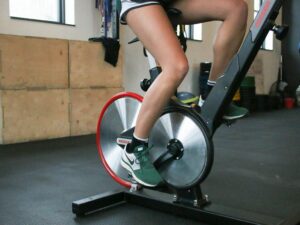
By week 2, you should feel more stable. Add:
Walking and cycling (low resistance, short sessions)
Balance work: standing on one leg while brushing your teeth or doing dishes etc.
This helps activate stabilising muscles around the knee and improves coordination—key for a safe recovery.
Progressing to Running: Week 4–6

By weeks 4–5, your strength and mobility should allow you to begin running again. By week 6–7, many people return to normal activity levels. I did a few minutes running and a few minutes walking until I could run nonstop (this took about 2-3 weeks).
Other exercises I found particularly effective included:
Lunges (without weights and no pain) forward, back and side to get those stabiliser muscles working again (also great for core stability).
Swimming, supports a full range of motion without excessive stress.
These activities helped build my strength while protecting the knee joint.
Final Thoughts
Recovering from knee arthroscopy surgery is hard work, but with consistency, you can also rebuild your strength and mobility. Always consult your doctor or physiotherapist before starting a rehab plan. For me, the journey from surgery in January to running a half-marathon by March showed that the right exercises and mindset make recovery possible.
Here is my full video tutorial: